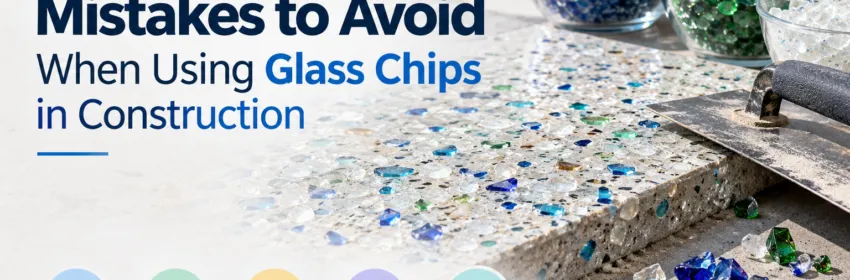
Glass chips are becoming a popular choice in modern construction and interior design. They add color, texture, and a decorative finish to surfaces such as terrazzo floors, concrete countertops, wall panels, landscaping features, and decorative paving. Available in different colors, sizes, and finishes, glass chips can help transform ordinary building materials into attractive design elements.
However, using glass chips in construction requires proper planning and material selection. Small mistakes during preparation, mixing, or installation can affect the final appearance, durability, and performance of a project.
Whether you are a contractor, builder, designer, or DIY enthusiast, understanding these common mistakes can help you achieve better results. Here are five mistakes to avoid when using glass chips in construction.
1. Choosing the Wrong Type of Glass Chips
One of the most common mistakes is selecting glass chips based only on their color or appearance. Although the visual effect is important, not every type of glass chip is suitable for every construction application.
For example, glass chips used in decorative terrazzo flooring may have different requirements from those used in concrete countertops, landscaping, or wall finishes. Factors such as chip size, shape, compatibility with the binding material, and intended use can influence the final result.
Using unsuitable glass chips may lead to an uneven finish, poor bonding, or an appearance that does not match the original design.
How to avoid this mistake:
- Select glass chips specifically suited to your construction application.
- Check the recommended size, shape, and material compatibility.
- Choose colors and textures that complement the surrounding materials.
- Confirm that the chips are suitable for the expected environmental conditions.
- Request product specifications or samples before placing a large order.
Choosing the right glass chips from the beginning can save time, reduce material waste, and improve the overall quality of the finished surface.
2. Ignoring Surface Preparation
Even high-quality glass chips may not perform well when applied to a poorly prepared surface. Dust, oil, loose particles, moisture, and other contaminants can interfere with the bonding process.
This problem is particularly important when glass chips are mixed with concrete, resin, or other binding materials. If the base surface is uneven or unstable, the finished installation may develop visible defects or fail to adhere properly.
Poor preparation can also make it difficult to achieve a smooth and consistent finish.
How to avoid this mistake:
- Clean the surface thoroughly before beginning installation.
- Remove loose material, dust, grease, and other contaminants.
- Repair cracks or damaged areas where necessary.
- Ensure that the surface meets the moisture and preparation requirements of the chosen binder.
- Follow the manufacturer’s instructions for primers, adhesives, and preparation methods.
Proper surface preparation creates a more reliable foundation for the installation and helps glass chips achieve their intended appearance.
3. Using the Wrong Mixing Ratio
Another common mistake is adding too many or too few glass chips to the concrete, resin, or other binding material. The correct ratio depends on the product, the intended application, and the manufacturer’s specifications.
Adding excessive glass chips may reduce the amount of binder available to hold the mixture together. On the other hand, using too few chips may produce a dull or inconsistent decorative effect.
Poor mixing can also cause chips to cluster in certain areas, leaving other parts of the surface with very little visible glass. This creates an uneven finish and may affect the performance of the material.
How to avoid this mistake:
- Follow the recommended mixing ratio for your specific application.
- Measure the glass chips and binding materials carefully.
- Mix the materials evenly to distribute the chips throughout the mixture.
- Avoid adding extra water, resin, or other ingredients without checking the product instructions.
- Test the mixture on a small sample before starting the full installation.
A consistent mixing process helps achieve an attractive finish while maintaining the required properties of the construction material.
4. Overlooking Safety Precautions
Glass chips can create safety risks when they are handled, transported, mixed, or installed incorrectly. Depending on their shape and size, broken or sharp-edged pieces may cause cuts. Cutting, crushing, or grinding glass-containing materials can also produce particles that require appropriate protection.
Some construction applications involve grinding or polishing the surface after installation. Skipping the correct safety measures during these stages can expose workers to unnecessary risks.
How to avoid this mistake:
- Wear suitable safety glasses and protective gloves when handling glass chips.
- Use appropriate protective footwear and clothing.
- Follow dust-control procedures when cutting, grinding, or polishing materials.
- Use suitable respiratory protection when required by the task and product safety guidance.
- Keep the work area organized and dispose of sharp waste safely.
Safety requirements may vary depending on the type of glass chips and the installation method. Always follow the relevant workplace safety procedures and manufacturer recommendations.
5. Neglecting Finishing and Long-Term Maintenance
The installation process does not end when the glass chips are placed. Finishing, curing, cleaning, and maintenance all contribute to the appearance and longevity of the completed surface.
For example, terrazzo containing glass chips may require grinding and polishing to reveal the decorative pieces evenly. Some installations may also need a suitable sealer to help protect the surface from staining or moisture, depending on the binder and intended use.
Using the wrong finishing method or cleaning products can damage the surface, reduce its shine, or affect the protective coating. Similarly, failing to follow the recommended curing period may compromise the installation.
How to avoid this mistake:
- Allow the material to cure for the recommended period before heavy use.
- Use the correct grinding and polishing methods for the selected system.
- Apply a compatible sealer when the application requires one.
- Clean the surface with products recommended for the material.
- Inspect the finished area periodically for cracks, loose chips, or other signs of damage.
Proper finishing and regular maintenance help preserve the decorative appearance of glass chips and keep the surface in good condition over time.
Additional Tips for Successful Glass Chip Installation
Avoiding these five mistakes is an important starting point, but a successful project also depends on planning and quality control.
Consider the following recommendations before beginning your next construction project:
Plan the design in advance. Decide on the color combination, chip size, and distribution pattern before mixing the materials. This helps maintain a consistent appearance across the entire surface.
Calculate the required quantity. Estimate the area to be covered and the recommended material consumption. Ordering an appropriate quantity can reduce delays and help maintain consistency between batches.
Test before full installation. A small sample allows you to check the color, texture, bonding, and overall appearance before committing to a large area.
Choose quality materials. Purchase glass chips from a reliable supplier and confirm that they meet the requirements of your intended application.
Follow technical guidance. Construction materials can behave differently depending on the binder, installation environment, and finishing process. Use the manufacturer’s technical documentation whenever possible.
These simple steps can help contractors and property owners avoid unnecessary costs while improving the final results.
Conclusion
Glass chips offer an attractive way to add color, texture, and visual interest to modern construction projects. From terrazzo flooring and decorative concrete to countertops and landscaping features, they provide plenty of creative possibilities.
However, the success of any installation depends on more than choosing an appealing color. Selecting the right glass chips, preparing the surface properly, maintaining the correct mixing ratio, following safety precautions, and completing the finishing process carefully are all essential steps.
By avoiding these five common mistakes, builders, contractors, and DIY enthusiasts can improve the consistency, appearance, and durability of their projects. With suitable materials and proper installation techniques, glass chips can become a valuable addition to a wide range of decorative construction applications.
