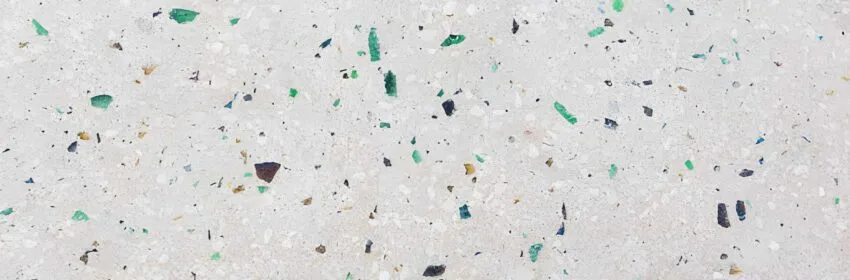
Every year, millions of tons of glass end up in landfills — sitting there for up to a million years without breaking down. But what if that “waste” was never waste at all? Recycled glass aggregates are quietly reshaping construction and landscaping into something far greener.
From driveways and pathways to road bases and decorative gardens,recycled glass aggregatesare replacing conventional sand, gravel, and stone in more applications every year. The shift isn’t just aesthetic — it’s driven by a pressing environmental need and backed by real science. Let’s unpack exactly what makes this material so valuable for the planet.
The Problem With Glass in Landfills
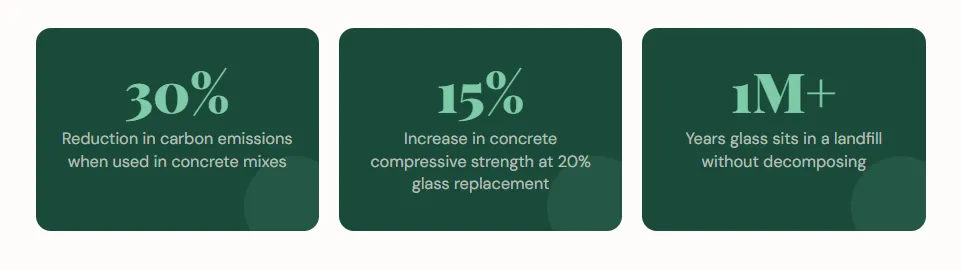
Glass is one of those materials that seems harmless once it’s out of sight — but out of sight absolutely does not mean out of mind for the environment. Unlike organic waste or even some plastics, glass doesn’t biodegrade on any human timescale. A bottle tossed into a landfill today could still be there a thousand generations from now.
Beyond just sitting there, landfilled glass occupies valuable space, contributes to leachate issues, and represents a complete waste of a material that took significant energy to produce in the first place. Globally, only a fraction of glass is recycled effectively. Much of what gets collected still ends up in landfills because traditional recycling infrastructure struggles with mixed colors or contaminated glass.
Recycled glass aggregates offer an elegant solution:divert that glass, process it into a usable material, and put it to work in the built environment. The result is a genuine circular-economy win.
Benefit #1 — Keeping Glass Out of Landfills
Diverting waste from the waste stream
Glass collected from industrial, commercial, and consumer sources gets crushed, cleaned, and screened into aggregate — glass that would otherwise pile up in a landfill is instead performing a useful job for decades.
When glass is processed into aggregate, it gets crushed and tumbled until the sharp edges are smoothed away. The result is a safe, rounded material that resembles gravel or sand but carries a significantly lower environmental cost.Every tonne of recycled glass aggregate used is a tonne of landfill space saved— and a tonne of new material that didn’t need to be mined.
Some companies have diverted hundreds of millions of glass bottles from landfills in this way. That’s not a rounding error — it’s a meaningful, measurable reduction in one of the most persistent forms of solid waste.
Benefit #2 — Protecting Natural Sand and Stone Reserves
Here’s something most people don’t realize: sand is the second most consumed natural resource on Earth after water. And it’s running out faster than nature can replenish it. Sand mining strips riverbeds, destroys coastal ecosystems, and contributes to erosion and flooding. The same is true for the quarrying of stone and gravel.
Reducing pressure on mined resources
Recycled glass aggregate can replace sand and gravel in concrete, asphalt, drainage systems, and landscaping — directly reducing the demand for quarried and mined materials that damage natural landscapes.
When a contractor substitutes glass aggregate for natural sand in a concrete pour, they’re not just making a technical swap — they’re making a vote against riverbed destruction. At scale, this matters enormously.Glass aggregate is a structural substitute that performs comparably to natural aggregatesin many applications, while actually improving certain properties like strength and chemical resistance when used in finer particle sizes.
Glass takes centuries to break down in a landfill — but processed into aggregate, that same material can outlast the building it’s used in while protecting the natural landscapes that sand mining destroys.
Benefit #3 — Lower Carbon Emissions in Construction
The construction industry is responsible for a significant portion of global CO₂ emissions — cement production alone accounts for roughly 8% of the world’s carbon output. Any material that reduces the need for virgin cement or aggregate ingredients has a genuine role to play in decarbonization.
Cutting embodied carbon in concrete
Research shows that incorporating about 20% recycled glass as a replacement for traditional aggregates can reduce carbon emissions in the resulting concrete by approximately 30% — without sacrificing structural integrity.
Finely ground glass powder can also serve as a supplementary cementitious material, partially replacing Portland cement in concrete mixes. Since cement production is one of the most carbon-intensive manufacturing processes in the world, this substitution carries serious climate significance. Using recycled glass as a silica source means less cement is needed — andless cement means less CO₂ entering the atmosphere.
Glass aggregate also helps reduce CO₂ indirectly: it’s lighter than natural gravel and stone, which means lower fuel consumption during transportation. Fewer heavy trucking loads per project adds up to a measurable drop in transport emissions over the course of a large-scale build.
Benefit #4 — Superior Water Management
One of the less-talked-about environmental advantages of recycled glass aggregate is what it does for water. In a world where urban flooding, stormwater runoff, and water table depletion are growing concerns, materials that support healthy water movement through the ground are genuinely valuable.
Enhanced drainage and filtration
Crushed glass aggregates facilitate better water drainage than many traditional materials, and glass retains moisture on its surface — making it useful in bioswales, drainage beds, and filter systems where water infiltration matters.
Glass aggregate is already being used infiltration media for water treatment systems, where its inert, non-reactive nature makes it reliable over long periods. In landscaping applications, using glass aggregate in pathways, mulch beds, and drainage channels promotes healthier infiltration and reduces the surface runoff that overwhelms stormwater systems during heavy rain.
Unlike organic mulch that decomposes and requires regular replacement, glass aggregate holds its position indefinitely — meaning less maintenance, less waste, and consistent water management year after year.
Benefit #5 — Energy Efficiency and Reflectivity
Glass has a natural reflectivity that, when used thoughtfully in outdoor spaces, can reduce the urban heat island effect. Dark pavements and surfaces absorb heat during the day and release it at night, raising ambient temperatures in cities. Lighter, reflective surfaces — like glass aggregate paths or ground cover — reduce that absorption.
Reflecting heat, reducing energy load
The reflective properties of glass aggregate can reduce heat absorption in outdoor areas, lower ambient temperatures in landscaped spaces, and in some cases reduce the need for supplementary lighting due to the way glass scatters natural light.
For landscape designers working on sustainable urban projects, this quality is a genuine bonus. A path paved with recycled glass aggregate isn’t just visually striking —it’s actively contributing to a cooler, more energy-efficient outdoor environment.
Benefit #6 — Supporting Green Building Certifications
The construction industry’s transition to sustainability is increasingly being formalised through certification programs. LEED, BREEAM, and WELL certifications incentivise the use of recycled materials, reduced embodied carbon, and improved environmental performance across buildings and developments.
Choosing recycled glass aggregates over virgin materials contributes directly to therecycled content credits and sustainable site creditswithin these frameworks. For developers and architects working toward certification, glass aggregate is a material that pulls double duty: it performs structurally while helping hit sustainability targets.
Across Europe and North America, regulatory mandates are also increasingly requiring minimum recycled content in construction materials used on public projects. Getting comfortable with glass aggregates now positions builders and landscapers ahead of where regulation is clearly heading.
Where Can You Actually Use Recycled Glass Aggregates?
The versatility of recycled glass aggregate is one of its strongest arguments. This isn’t a niche specialty material — it can replace conventional aggregates across a wide range of real-world applications:
- Construction & Infrastructure
Concrete mixes, asphalt for driveways and roads, road base and sub-base compaction, masonry blocks, floor and wall tiles, countertops, and pavers.
- Landscaping & Gardens
Ground cover and mulch, decorative pathways and garden borders, bioswales and rain gardens, fire pit surrounds, and mixed with compost to improve soil drainage and aeration.
- Industrial & Specialist
Filtration media for water treatment, abrasive blasting media, and specialty applications in civil engineering and stormwater management systems.
Each of these applications replaces a material that was either mined (depleting natural resources) or synthesized from virgin inputs (generating emissions). The environmental case compounds with every project that makes the switch.
Is the Recycling Process Itself Sustainable?
A fair question — and one worth addressing directly. Processing glass into aggregate does consume energy: the glass must be collected, sorted, crushed, and tumbled. However, this energy use issignificantly lower than the energy required to produce new glass from raw materials, and far lower than mining and processing virgin sand and gravel, which involves heavy machinery, transportation, and significant site disruption.
The carbon balance over a product’s lifetime strongly favors recycled glass aggregate. When you factor in avoided landfill costs, reduced transportation weight, eliminated quarrying impacts, and lower cement demand in concrete applications, the net environmental benefit is clearly positive.
Ready to Make the Switch?
BSG Glass Chip supplies high-quality recycled glass aggregates for construction, landscaping, and specialty applications. Whether you’re a developer looking to hit sustainability targets, a landscaper designing a standout outdoor space, or a contractor seeking a greener aggregate — we have the materials and the expertise to help.
Explore our range and see how recycled glass aggregate can work for your next project.
The Bigger Picture
Switching to recycled glass aggregates isn’t a compromise — it’s a straightforward upgrade that happens to be better for the planet. The material diverts persistent waste from landfills, reduces demand for increasingly scarce natural aggregates, cuts carbon emissions in concrete production, improves water drainage, and qualifies buildings for green certifications.
As green building mandates tighten and the construction industry faces increasing pressure to decarbonize,materials like recycled glass aggregate are moving from alternative to essential. The projects and businesses that adopt them now aren’t just making an environmental statement — they’re building smarter, and building ahead of the curve.
Glass was never supposed to be waste. It’s time we treated it that way.
